
Toronto Furnace Repair: What to Ask When a Replacement Part Is Backordered
Only have 30 seconds?
- Start with the Toronto Furnace homeowner guide if you are still arranging the first visit.
- Ask what the technician confirmed, which part fits your unit, and whether each item on the quote is included in the total.
- Confirm what the technician recommends for the furnace while you wait. If they say to leave it off, keep it off.
- Get the next update date and ask who will call you when the part is physically available.
What a backorder means for your repair
A backorder means the part is unavailable for immediate supply through the channel the contractor checked. The contractor may have an estimate from a distributor, or the supplier may still be waiting for a date. The person who diagnosed the furnace and the person who places the parts order might be different. Ask the service company who can answer questions about the diagnosis, who can confirm the order and who books the installer.
A return trip generally involves bringing the correct part, fitting it and confirming how the furnace operates afterward. The first appointment gives you the facts needed to authorize that work. If the furnace is in a rented or managed property, send the written findings to the person authorized to approve the repair. A tenant can provide observations and arrange access while the person responsible for the equipment handles the quote.
When you hear “we're waiting on the part,” ask which step is pending. The technician might be waiting for the supplier to identify a compatible replacement. The office could be waiting for your approval or a warranty decision. Or an order may already be accepted with no confirmed ship date. Each situation calls for a different follow-up. A useful service note tells you the current status and who has the next action.
Get the diagnosis in writing before the order
Ask for a short explanation of what the technician observed, which component they identified and whether the quoted work addresses the whole problem or an initial finding. You can use the furnace repair guide to orient yourself before discussing the report. You should be able to understand what you are authorizing even if the report uses trade terms.
For example, a control board helps coordinate furnace operations. The phrase “replace the board” gives you the proposed work. A written diagnosis can also record why the technician suspects or confirmed that component and whether they expect any additional checks once it is installed. A status code or a symptom can guide the technician, while the diagnosis explains how they reached their conclusion. If the diagnosis is provisional, ask what could change the scope and how you would be asked to approve it.
Get the equipment model and serial number from the service report. A brand name or the approximate age of the furnace may be enough to start a conversation, but the contractor needs to verify compatibility for the actual unit. Keep the model and serial number with the quote so the office has the same information as the technician. If a second company gives you a quote later, both can work from the same equipment details, even if the second company needs its own inspection.
Confirm the exact part and the status of the order
Ask for the part identifier on the quote or work order. A manufacturer may replace an older part number with a newer one. If the contractor proposes a substitute, ask them to verify compatibility, explain any additional components or setup it requires, and state how the substitution affects the labour or warranty. Let the technician make the compatibility decision. A similarity in an online product photo gives you little information about whether a part suits a particular furnace.
For a lead time, ask whether the distributor gave a ship estimate, an arrival estimate, or a stock confirmation. Shipping to the company and scheduling a technician are separate steps. A part can reach a warehouse after a truck leaves for its regular delivery route, and a shop can receive inventory before it has another installation slot. A practical callback date gives you something firm even while both dates are uncertain.
Write down who will call whom and when. For instance, you could agree that the office will check the order by Thursday afternoon and tell you whether the distributor has physically allocated the part. If they cannot give a reliable date, ask what options they will check in the meantime and when you should discuss the decision again. One agreed update can save several calls to people who are looking at the same unchanged order.
Read the quote as a two-visit job
Ask for a single written total that makes clear which amount you have already paid and which balance is due. A useful breakdown shows the diagnostic charge, whether any amount is credited, parts and labour, freight if applicable, return labour, and taxes. A second company may quote differently, so compare the scope before comparing the totals.
Suppose you paid for the inspection and received a message saying the part itself will cost a certain amount. You still need to know whether that amount is the whole remaining balance, whether there is a deposit and how the company will charge for the return trip. If faster shipping is available, ask for its separate price and what time it is expected to save. Confirm how that choice affects the total before authorizing it.
Ask what happens if the supplier cancels, offers a different part, misses its estimate or requires that the installer order a kit. Ask when a deposit becomes non-refundable and whether the part can be returned after dispatch. If you own the equipment and have warranty paperwork, retrieve it before the order. Check who submits the claim, what charges could remain even if the warranty covers the part, and whether the approval affects timing. Ask for both the part and workmanship warranty terms for the completed repair.
Decide how you will manage the wait
Before the technician leaves, ask whether you should keep the furnace off. If it has been shut down or tagged, follow the instructions given at the visit and leave the equipment as directed. Ask the contractor what changes should prompt a call. If a carbon monoxide alarm sounds, get everyone out immediately and call 911 from outside. Ontario's Office of the Fire Marshal advises against using an oven or stove to heat a home. Arrange safe alternative accommodation when the indoor conditions cannot be managed, especially if someone in the household is vulnerable to cold.
Assign one person to keep track of updates. That person can keep a note of the diagnostic visit, any instructions for the equipment, the supplier update date and the service company's callback number. Tell the office if the property's occupancy or indoor conditions change. The arrival estimate might stay the same, while your ability to wait comfortably could change within a day. If you manage the property for someone else, decide who can approve a revised plan if the original timelines shift.
Use the Toronto map to prepare for the return visit
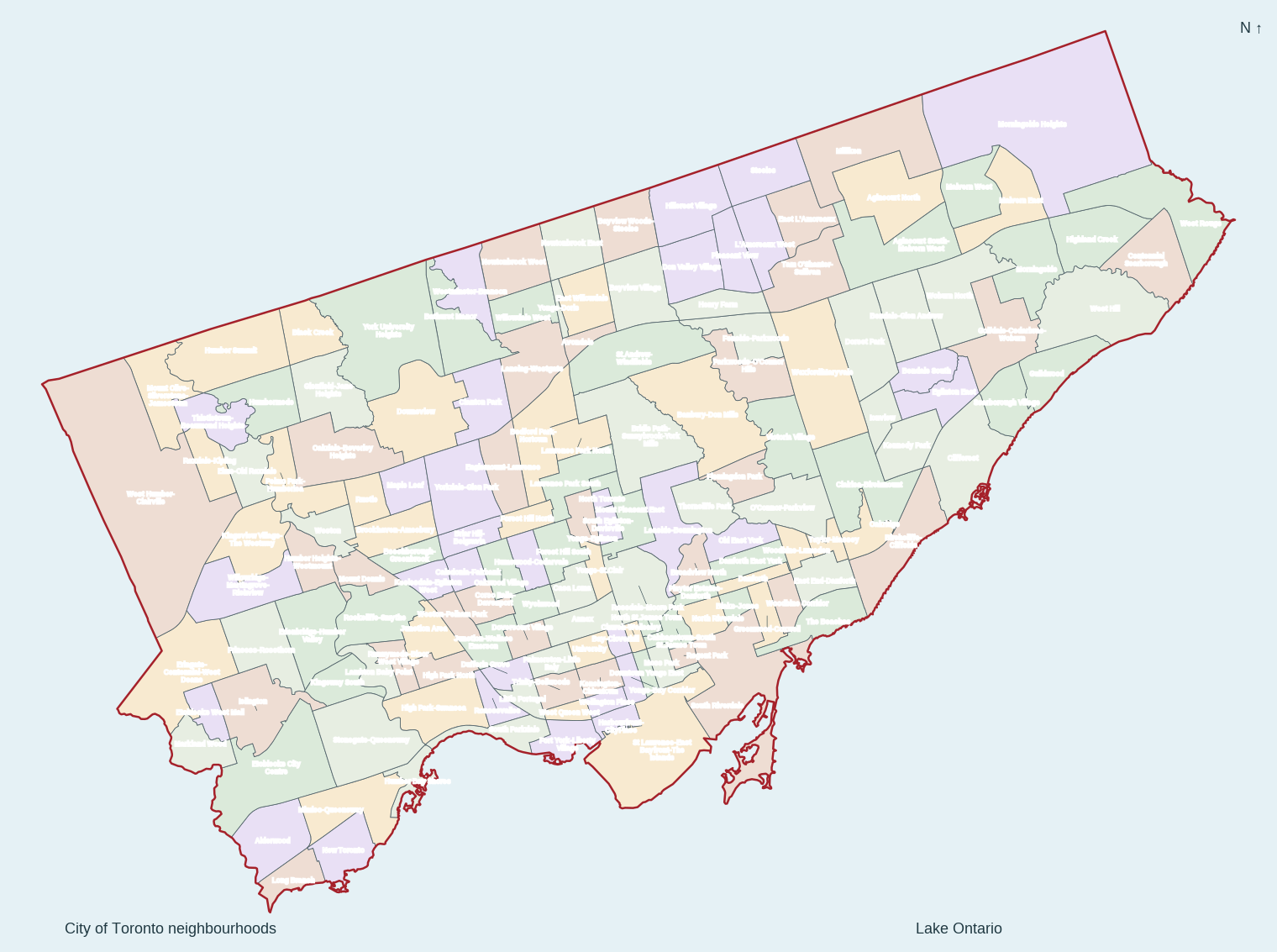
Use the labelled City of Toronto map above to identify your neighbourhood when talking to the service company. A name such as Willowdale, Mimico or Agincourt gives the dispatcher an area. Send the full address, postal code, nearest major intersection and any access instructions so they can plan the actual stop. The map shows neighbourhoods across Toronto and is for orientation. Confirm service coverage and booking directly with the contractor.
- Parking and loading. Tell the office whether there is an available driveway, a visitor spot, a time-limited curb space or a designated service entrance.
- Entry and accessibility. Share whether the furnace is reached through an exterior door, basement stairs or a locked mechanical room. If a step-free route is available, identify the correct entrance.
- Managed buildings. Ask management who controls access to equipment, whether a contractor needs to check in and whether service is restricted to certain hours.
- Contact on arrival. Provide the number of the person who can meet the technician. If the original appointment used a different contact, update the work order before the return.
The same steps help in a laneway house, duplex or divided property. Give the unit number and entrance description along with the street address. An installer carrying a replacement part needs to know the route to the actual equipment. It may differ from the route a visitor would take to the front door.
Compare repair and replacement on the same facts
A long wait may bring a replacement quote into the discussion. Ask the contractor to explain the reasoning in terms of the furnace's condition, the repair cost, the uncertainty around the part and the likely scope of the replacement installation. A supply delay by itself tells you about availability today. It leaves questions about the equipment's condition and how well the repair is expected to address the diagnosed fault.
Compare written figures based on the same situation. The repair price should include the return visit and whatever work is necessary for the identified fault. For replacement, ask what equipment, labour, setup and other work are included, when the installation could actually take place, and what warranty applies. The repair or replace guide covers questions to use in that conversation. Factor in a deposit already authorized and whether it would be refundable before changing course.
A second opinion can be helpful when the first diagnosis is provisional or the estimate has changed substantially. Send the second company the service notes and model information and ask what they can confirm before visiting. Check their diagnostic fee and whether they can realistically source the part. If you already authorized an order, contact the original company about its cancellation terms before making a second commitment.
Close out the job after the part arrives
When the office says the part has arrived, confirm that it has been matched to the equipment on your work order. Ask who will attend, what they expect to complete and what they will verify after installation. If the technician discovers an additional issue, ask for the new findings and price before approving work outside the quoted scope. If any follow-up remains, get a clear instruction for operating the furnace until that happens.
Keep the original service report, the approved quote, the invoice and the warranty information together. Ask for an invoice that identifies the component installed and the date of the completed work. Ask what changes would justify contacting the company again and what details they want if the original symptom returns.
A Toronto furnace repair delayed by a backordered part becomes easier to manage once the diagnosis, order status, return cost and next callback are written down. Before you authorize the order, make sure you can say who has the next action and what will happen if the delivery estimate moves.