
Heat came back before the furnace repair visit. What should you tell the technician?
Only have 30 seconds?
- Keep the time of the original failure and the time you first noticed heat returning.
- Tell the service company whether the furnace recovered on its own, after an outage or after someone changed a setting.
- Confirm whether the visit is still on and what the company charges if the symptom cannot be reproduced.
- See the Toronto Furnace guide for more help deciding what to report.
Update the company while the appointment is still on the calendar
A furnace that is running when you make the call presents a different situation from a home that is still losing heat. Give the dispatcher the full sequence rather than simply saying it works now. A company can use a clear description to decide whether the appointment should stay booked as a diagnostic visit, move to a different time or be reconsidered after another update. Ask the company to confirm any change to the booking so everyone knows what happens next.
You can start with something like, “The house stopped warming last night. I first noticed it at 10 p.m. The heat was back when I got up this morning. I did not see when it restarted. The visit is booked for this afternoon. What can you check if it’s still heating when you arrive?” This gives the company a time window and distinguishes the time you discovered the return from the time it actually happened. If you know someone changed a thermostat setting or that the power had gone out, mention it in the same call.
Ask who should receive new information if the furnace stops again before the visit. Some companies prefer a call to dispatch. Others can add a message to your appointment record. If a person other than you will be at home, ask whether the company can include the report in the technician’s job notes. Keep the name of the company and the appointment reference together with your notes. Ask who will contact you if the technician needs more information or permission to carry out work.
Make a timeline from what you already know
Begin with the last time you remember the home heating normally. Then write down what you noticed when the problem appeared. Possible observations include a thermostat showing a lower room temperature than expected, air moving without the rooms warming, or a furnace that went quiet. Use everyday language and identify which observation belongs to which time. A person working from another floor may have heard a fan without being able to tell whether it was the furnace. Include that uncertainty.
Next write down what changed between the failure and recovery. Start with normal household events. Did the power go out? Did someone return home and change the schedule? Was anyone working on another building system? Did a property manager send a notice? If you know something happened but are unsure of the order, write down what you know instead of placing it precisely. The technician will have a better starting point when the record separates a timeline from a guess about cause.
Finally note how you verified that heat returned. You might have watched the room temperature rise or noticed that several rooms felt warmer over the next hour. A thermostat display saying it is calling for heat and a house actually warming are different observations. Write whichever you can confirm. If one room stayed cold while the rest warmed, record that separately. The Toronto no-heat guide can help you describe the original complaint.
Keep any useful evidence without recreating the failure
If you already have a timestamped photo of the thermostat or a service message about a power outage, keep it with the timeline. A previous invoice can help the technician see which work took place and when. An existing label photo can help identify the furnace when you are speaking to the dispatcher. Use material you can gather safely from ordinary household locations. Leave the furnace cabinet closed and let the technician decide what needs to be checked.
If the home is heating again, there is no need to reproduce the problem for a video. Do not keep resetting the equipment, switching it off and on or changing its configuration to see what happens. If the behaviour returns by itself while it is safe to observe from a normal location, record the time and what you noticed. A short account of what the system actually did is useful, even if there is no photo or recording.
Suspected gas leaks and carbon monoxide alarms require a different response. Leave the building and call 911 from a safe location outside if a carbon monoxide alarm sounds. If you smell natural gas, leave without operating switches or devices inside and call the gas utility’s emergency line or 911 from a safe location. Do not go back to collect notes or try another start. Follow emergency personnel or utility instructions about returning or using the equipment. The furnace safety guide outlines the safety boundaries for homeowners.
Ask what a diagnostic visit can accomplish while the heat is on
The technician may be able to check information relevant to the complaint even if the furnace runs normally during the visit. For example, ask whether the equipment has a fault history the technician can review, whether your timeline helps decide what to inspect and whether they expect to see the furnace go through a normal cycle. The answers depend on the equipment and what the company finds on site. Some systems provide useful records, while others may provide little information after operation returns.
Be clear about what you want to learn from the visit. If the symptom lasted overnight or has happened more than once, tell the company. If it followed a utility outage and the heat has been steady since, say that as well. A dispatcher may recommend a visit, give you instructions about monitoring or ask you to reconnect if something specific happens. Ask them to say when to report a recurrence and whether any prior instruction about leaving the equipment off still applies.
Confirm the diagnostic fee before the appointment, including whether there is a different charge for a deferred, cancelled or follow-up visit. Ask what happens if the technician cannot reproduce the failure and finds no clear fault that day. You can request a short written summary of what they checked and what remains unknown. “Operating during the visit” and “cause confirmed” are different findings. A clear invoice or service record makes that distinction useful if you need to call again.
Give the technician a route to the right equipment in Toronto
Use the street address, unit or floor where relevant, postal code and nearest cross street to confirm the visit. If the person who booked is off site, tell the company who is there and whether they can give access to the furnace and thermostat. In a shared building, the party who can admit the technician may be different from the person who can authorize work. Confirm those roles before the appointment so the service visit does not stall at the door.
- Parking and loading. If there is a designated visitor spot or a usable laneway, describe it in advance and follow the posted access rules. Tell the dispatcher if the recognized address is on one street but the usable entrance is on another.
- Accessibility. Explain any stairs, threshold, locked door or restricted equipment room on the route. Agree on who will meet the technician and whether the normal doorbell or intercom is the best way to reach them.
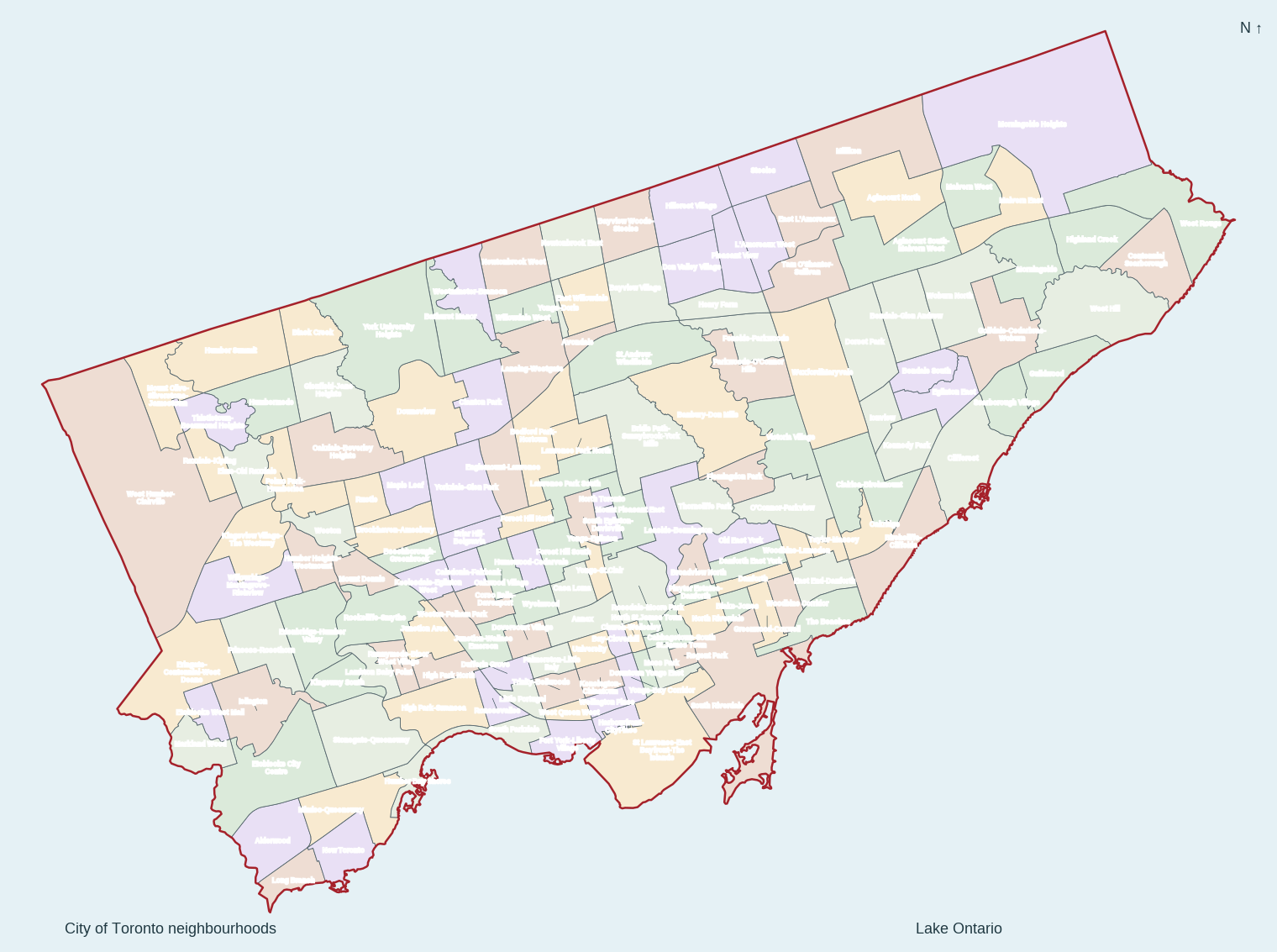
- Neighbourhood. Use the labelled Toronto neighbourhood map to describe the area. The actual appointment and equipment access depend on the property address and the service company’s coverage.
If you live in a rental or a condo, report a new loss of heat through the landlord, property manager or building contact responsible for your situation. Give them the same short timeline. Ask how they want the technician to enter and who can approve further work. If the equipment serves more than one space, it may help to say which rooms or units seemed affected, without assuming that each thermostat controls the same furnace.
Compare two common situations before deciding
In one example, a homeowner wakes to a cool house after an overnight power interruption. The heat has returned by the time they call and the home has warmed steadily. They can tell the company the times they know, ask whether the return changes the need for a visit and confirm what to watch for. If the company recommends deferring the appointment, the homeowner can ask what symptoms should lead to a new call and keep the service reference handy.
In another example, the heat stopped twice in a week and returned both times before anyone could attend. No one in the household knows why. The second time lasted long enough for several rooms to cool. Telling the company about the repeated pattern is more informative than cancelling on the basis that the furnace is working now. The homeowner can ask what the diagnostic visit could accomplish, how a future recurrence would be handled and what record to keep between visits.
An update is also important if the situation changes between dispatch and arrival. If the home stops heating again, call with the new observation rather than assuming it will reach the technician through the earlier message. If the issue is resolved through a utility response or another contractor’s documented repair, ask the original company how to close or amend the booking. Keep copies of any service instructions, especially restrictions on use, so the next person sees the latest plan.
End the visit with a clear next step
At the end, ask the technician what they confirmed, what they could not confirm and what would change the recommendation. If they propose a repair, ask how it relates to the observed failure and request the scope and price before authorizing it. If they recommend monitoring, ask what to record and when to call. Keep the technician’s report with your original timeline. If there is a later visit, you can bring both records forward and show what changed since the first appointment.
The goal is a decision you can explain later. You know whether a visit is still booked, what the company expects to check and what you should do if the heat stops again. You also have a record of the recovery, even if you never saw the precise moment the furnace started heating. That record saves time when you need to describe an intermittent problem in a second call or at the next appointment.